Key Points
- iCloud is an identity-based service, not a device management tool, providing data sync and recovery tied to Apple IDs rather than enforcing device security or configuration.
- Choosing the correct Apple ID model is essential.
- Personal Apple IDs introduce ownership and offboarding risks.
- Managed Apple IDs enable organizational control and predictable lifecycle management.
- iCloud must be used alongside MDM and ABM, with each platform serving a distinct role to ensure secure device management, clear ownership, and reduced operational risk.
In business, iCloud is more than a personal Apple device companion. It provides storage and synchronization, as well as identity ownership, data access, and lifecycle management.
Confusion happens when users treat iCloud as a device management or security platform. iCloud for business organizations operates at the account and data layer, while MDM and Apple Business Manager (ABM) operate at the device and lifecycle layer.
What iCloud provides in business environments
iCloud provides cloud-based services tied to the Apple ID signed in on a device rather than the device itself. iCloud enables data synchronization, continuity, and recovery across Apple devices.
It supports file storage, application data syncing, and identity-based features like Find My. However, iCloud doesn’t manage devices or define ownership. Its behavior and impact in organizations depend on how Apple IDs are used and governed.
Personal Apple IDs versus Managed Apple IDs
Personal Apply IDs are owned by individual users, which means data persists with them even after a device is reassigned or an employee leaves the organization. Personal Apple IDs create challenges around ownership, recovery, and offboarding.
On the other hand, organizations own managed Apple IDs. They let administrators control which iCloud services are available and support predictable onboarding and deprovisioning workflows.
How iCloud fits alongside MDM and Apple Business Manager
iCloud, MDM, and Apple Business Manager complement each other regardless of their different purposes. iCloud focuses on user data and account-based services, while MDM and ABM manage device enrollment and security enforcement, among others.
MDM defines how devices are configured and secured, while ABM establishes organizational ownership and lifecycle management. iCloud doesn’t replace these tools and can’t enforce device policies. Instead, iCloud operates in parallel, providing services that must align with device management and ownership strategies.
Common business use cases for iCloud
iCloud can support business workflows, such as document storage and simplified restore processes during hardware refreshes. Identity-link services, such as backups or Find My, can also improve the user experience and recovery scenarios.
You should evaluate each use case in the context of data ownership, compliance requirements, and employee lifecycle management to ensure iCloud is supporting business operations.
Managing risks and expectations
Most iCloud-related risks come from unclear boundaries and assumptions rather than technical failure. Common ones include business data being tied to personal Apple IDs and limited administrative visibility into iCloud usage.
To address these risks, you should establish identity policies and align iCloud usage with device management practices. Proper expectations ensure iCloud is used intentionally and safely.
NinjaOne services that help manage Apple devices
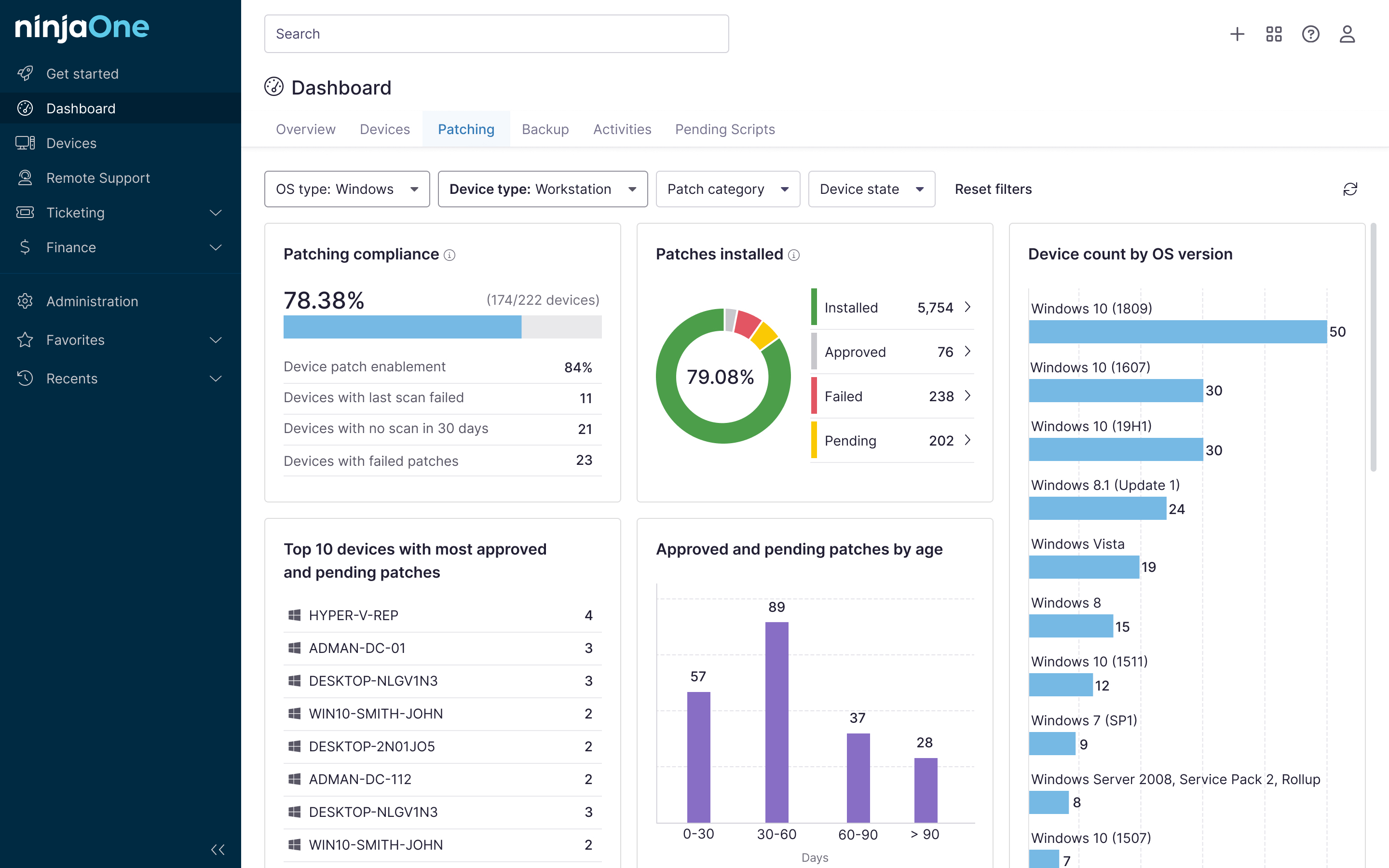
NinjaOne helps companies manage Apple devices, policies, and backups while iCloud handles account-based data. Understanding where iCloud fits enables IT teams to design Apple environments with clear ownership boundaries and reduced operational risk.
Use iCloud to support business workflow
iCloud supports business workflows when it has a defined role. iCloud is an account-based service that should align with identity ownership and lifecycle practices rather than be treated as a device management or security platform. Separating iCloud, MDM, and Apple Business Manager helps organizations avoid common access, recovery, and compliance issues.
Related topics: